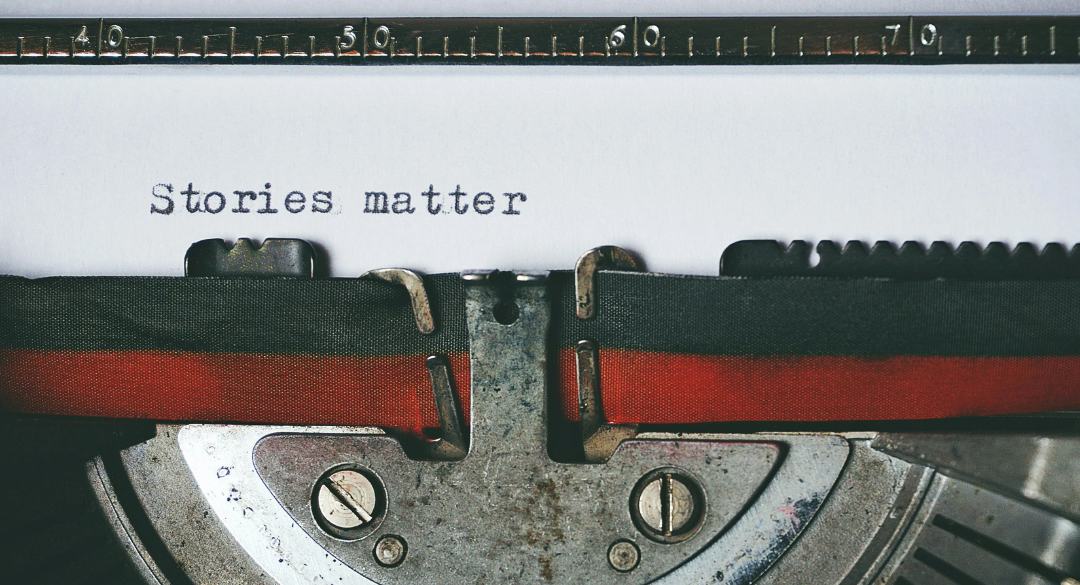
The Power of Storytelling in selling Wines & Spirits
Why Storytelling Matters in Wine & Spirits Sales
In the world of wine and spirits, facts and figures only go so far. Consumers may appreciate technical details, but what truly captivates them is a compelling story. Storytelling is what creates an emotional connection between a brand and its audience. It transforms a simple bottle into an experience, a conversation starter, or a memory.
The emotional and experiential aspect of drinking wine or spirits cannot be overstated. A great story adds depth to the experience and makes the product more than just alcohol—it becomes a reflection of culture, history, or innovation. This is especially relevant in today’s market, where consumers crave authenticity and personal connections.
Take the rise of natural wines, for example. The technical side of these wines—minimal intervention, native yeasts, unfiltered production—may intrigue wine professionals, but the reason consumers are drawn to them is often the story behind the winemakers. Who are they? Why did they reject conventional methods? How does their philosophy shape the wine? People don’t just buy wine; they buy into the vision of the person making it.
What Makes a Great Brand Story?
A strong brand story is not just a marketing tool—it’s a bridge between the producer and the consumer. The best stories have elements that resonate on a personal level. Here are key storytelling angles that work exceptionally well in wine and spirits:
- Heritage & Legacy: Multi-generational wineries, centuries-old distilleries, and family traditions bring a sense of trust and authenticity. (Example: Château Musar’s story of resilience through war in Lebanon.)
- The Winemaker/Distiller’s Vision: A great story starts with a passionate individual. Consumers love to hear about mavericks who took risks to create something new. (Example: Rajat Parr’s journey from sommelier to groundbreaking winemaker in California.)
- The Land & Terroir: The romance of a vineyard’s location or the unique climatic conditions shaping a whiskey’s aging process makes for an engaging narrative.
- Production Methods: While technical details can be dry, they come to life when connected to a larger vision or philosophy. (Example: The revival of ancient Georgian qvevri winemaking.)
- Sustainability & Ethics: In an era of conscious consumerism, brands that emphasize their commitment to responsible production create deeper bonds with their audience. (Example: The eco-friendly distillation process at Nc’nean Whisky in Scotland.)
How to Use Storytelling in Sales & Marketing
Storytelling isn’t just for branding; it’s a powerful tool for direct sales.
- On Wine Lists & Menus: Instead of simply listing the origin and grape variety, tell a short story about each wine. “This wine comes from a vineyard rescued from extinction by a family who refused to let history fade.”
- On Labels & Packaging: Visual storytelling—through label art, descriptions, and even bottle shape—can intrigue consumers before they even take their first sip. (Example: The cheeky, rebellious branding of 19 Crimes wine.)
- At Tastings & Events: A well-told story makes a tasting unforgettable. Customers may not remember the alcohol percentage, but they will remember that the winemaker quit a corporate job to follow their dream.
- On Social Media & Websites: Videos, blogs, and behind-the-scenes content help humanize the brand. Consumers love seeing the faces and personalities behind their favorite bottles.
Case Studies: Brands That Nailed Storytelling
- Casamigos Tequila: What started as a private project between George Clooney and his friends turned into a billion-dollar brand. The story of casual, high-quality tequila “made for friends” resonated with drinkers worldwide.
- Amrut Whisky: India’s first single malt whisky became a global success by embracing its unique story—how Bangalore’s tropical climate accelerates aging, creating a distinct flavor profile.
- Champagne Bollinger & James Bond: Bollinger became synonymous with sophistication by being featured in 007 films. This association crafted a timeless, elegant brand image.
- Louis Roederer’s Cristal: Originally made for Russian Tsars, Cristal’s story of exclusivity and royal heritage continues to attract luxury consumers.
- The Prisoner Wine Company: With its striking label and rebellious name, The Prisoner disrupted Napa’s traditional image, telling a story of breaking free from convention.
Why Storytelling Sticks in Training & Sales
One of the biggest mistakes in training sales teams is focusing too much on technical details. While it’s important to know grape varieties, distillation techniques, and production methods, what truly sticks with both staff and consumers is the story.
Staff members are more likely to remember and repeat a compelling narrative than a list of technical facts. A great story gives them confidence and an engaging way to present the product to customers. Instead of saying, “This is a Syrah with 20% whole-cluster fermentation,” they can say, “The winemaker took inspiration from the old Rhône Valley traditions, using whole clusters to create structure and depth.”
Customers, too, are more drawn to human stories than technical jargon. While a few enthusiasts love hearing about soil composition and fermentation temperatures, most people want to hear about the eccentric winemaker who plays music to his barrels or the woman who left a corporate job to make gin in a tiny village. These are the details that stick.
A major trend in the wine world today is putting humans back into the brand’s story. Consumers are seeking real connections, and winemakers are no longer just names on a label—they are becoming part of the brand’s identity.
Storytelling Sells Experiences, Not Just Alcohol
People don’t just buy a bottle of wine or spirits—they buy into a vision, a history, or an idea. Whether it’s a centuries-old winery or a bold new distillery breaking the rules, the story behind the bottle is what makes it memorable.
For businesses, leveraging storytelling is not just an option—it’s a necessity. The better the story, the deeper the connection, and the stronger the brand loyalty. And in an industry as rich in history, culture, and passion as wine and spirits, there’s no shortage of great stories waiting to be told.